
Introduction
If you’ve ever knelt down to greet a dog and watched their tail fly back and forth instantly, you might assume every wag signals pure happiness. This common misunderstanding leads many pet parents to misread their pup’s inner feelings, sometimes putting themselves or their dogs in unnecessary uncomfortable situations. Canine body language experts and animal behavior scientists have spent decades studying how tail movement connects to a dog’s mood, stress level, trust, and alertness.
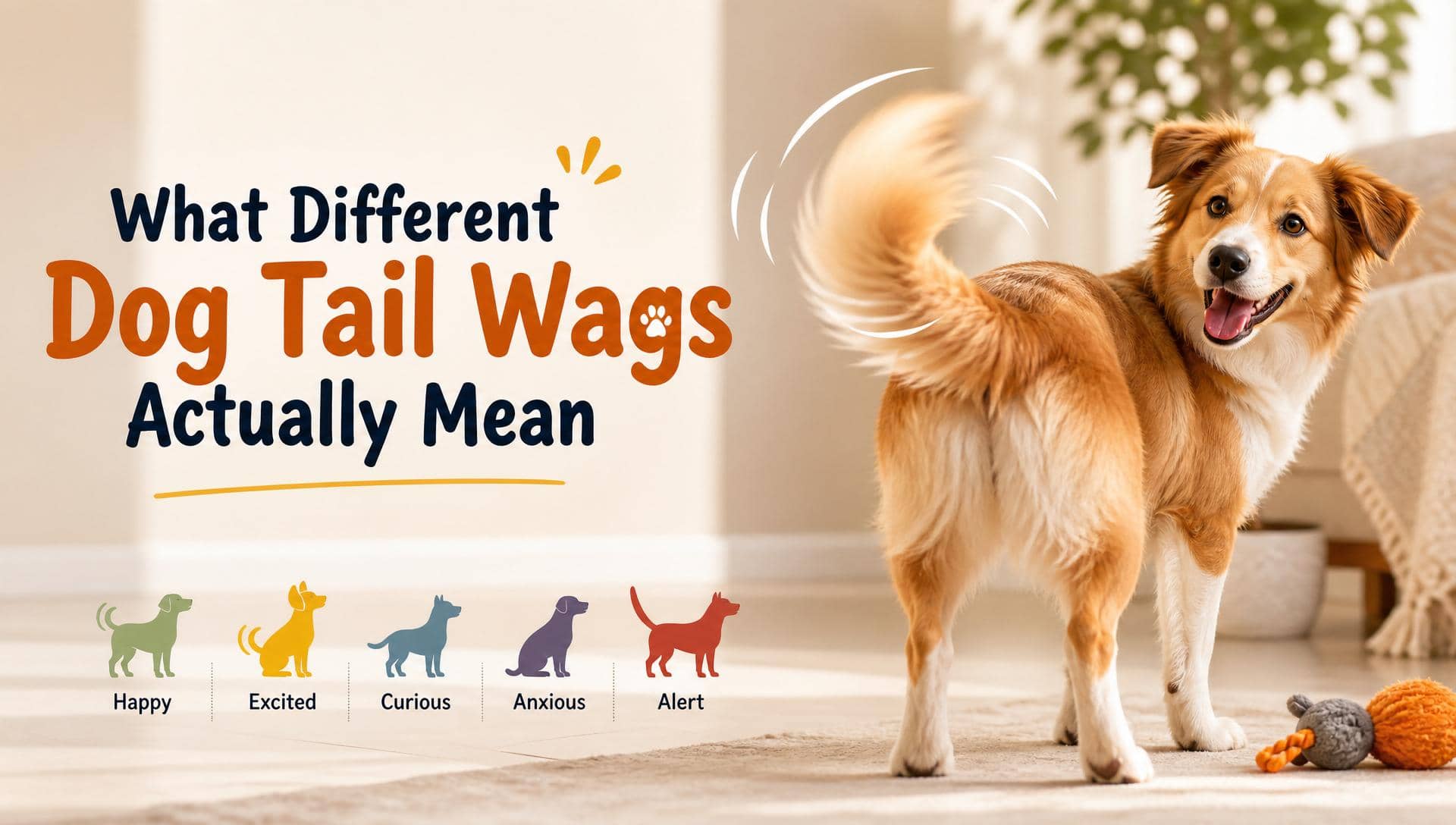
A dog’s tail is far more than a fluffy decoration attached to their hindquarters. It acts as their primary emotional communication tool, controlled by subtle muscle groups linked directly to their nervous system. Every small shift—tail height, wag speed, stiffness, and even which side the tail leans toward—carries a distinct message. For dog owners, learning to decode these silent signals isn’t just a fun trivia fact; it’s a critical skill to build safer, more empathetic bonds with their four-legged companions.
In this guide, we break down every major tail wag pattern with peer-reviewed animal behavior research, clear real-life scenarios, and simple actionable tips to respond appropriately to your dog’s cues. We’ll also clear up widespread myths about tail wagging and share how certain daily pet products can ease tension that shows up in a dog’s tail posture.
1. Slow, Low Tail Wag: Cautious Curiosity or Mild Unease
What This Tail Movement Looks Like
A low tail position with slow, narrow, gentle side-to-side wagging is never a sign of excitement. Dogs display this body language when facing unfamiliar people, new environments, strange pets, or unknown objects within their living space.
The Science Behind Low Slow Wags
This posture represents a low-level stress response controlled by the dog’s autonomic nervous system. A lowered tail reduces body exposure and keeps muscles slightly guarded, showing the dog is curious but hesitant.
How Owners Should Respond
Many new pet owners mistakenly approach or pet dogs in this state, which can trigger fear or defensive behavior. The safest method is to avoid direct eye contact, keep a relaxed body posture, and allow the dog to initiate interaction. Providing familiar toys and stable routines helps dogs feel safer in new situations.
2. Fast, Broad, Full-Body Wag: Unrestrained Joy and Excitement
Key Features of Happy Tail Wagging
This is the most recognizable friendly dog tail signal. The tail sits at neutral or slightly high height and swings widely and rapidly. The dog’s hips, rear body, and entire torso often shake along with the tail movement.
Why Dogs Show Full-Body Wagging
Animal behavior research confirms this loose, large-range wag corresponds with oxytocin release, the hormone responsible for bonding, joy, and comfort. Dogs only display this relaxed movement around trusted family members and safe environments.
Best Ways to Interact With Your Dog
When you observe this tail language, your dog is fully open to affection, playtime, walks, and positive training. Consistent bonding activities help strengthen long-term trust and emotional stability.
3. High, Stiff, Quick Small Wags: Alertness, Tension and Territorial Warning
How to Identify a Stiff High Tail
A vertically raised, rigid tail with tiny, fast vibrating movements is often misread as excitement. Unlike happy wagging, the tail remains completely stiff from base to tip with no loose swinging motion.
Behavioral Meaning and Risk Level
This posture activates a dog’s fight-or-flight response. High stiff tails help release pheromones to mark territory, signaling alertness, dominance, irritation, or potential reactivity.
Safety Tips for Dog Owners
If paired with fixed staring, forward ears, raised hackles, or a closed mouth, the dog may feel threatened. Always back away slowly and avoid touching unfamiliar dogs displaying this tail posture. At home, stable resting spaces and calm training routines reduce territorial tension.
4. Tucked Tail With Trembling Wags: Fear, Submission and Severe Anxiety
Common Scenarios That Cause Tucked Tails
Dogs tuck their tails tightly between their legs during stressful events such as thunderstorms, fireworks, vet visits, loud noises, scolding, or unfamiliar social encounters.
What a Tucked Tail Truly Indicates
Tail tucking is a self-protective instinct. Dogs cover their scent glands to appear smaller and less threatening, signaling fear, submission, or nervousness. A trembling tucked tail shows elevated stress hormones and emotional discomfort.
Effective Ways to Calm an Anxious Dog
Avoid forcing interaction when your dog shows this body language. Quiet spaces, soft beds, calming routines, and gentle play help rebuild confidence and reduce long-term anxiety responses.
5. Asymmetrical Side-Leaning Wags: Hidden Emotional Brain Responses
Scientific Discovery of Uneven Tail Wagging
Leading canine behavior studies prove dogs show directional tail bias based on their emotional state. Tail movement is controlled by opposite brain hemispheres, creating subtle left or right leaning wag patterns.
Right-Side Dominant Wagging (Positive Mood)
When dogs feel happy, safe, or excited, their tail naturally leans toward their right side with smooth, wide movements. This corresponds with positive brain activity and relaxed emotions.
Left-Side Dominant Wagging (Negative Mood)
Stress, annoyance, fear, or uncertainty causes the tail to favor the dog’s left side with tighter, shorter wagging motions. This subtle cue allows owners to detect stress before obvious reactive behavior appears.
6. Mid-Height Slow Rocking Tail: Relaxed and Neutral Emotional State
Normal Baseline Dog Body Language
A tail held at natural resting height with slow, steady side swaying indicates full relaxation. Dogs display this posture while walking and sniffing gently, resting indoors, or observing daily household activity.
Why This Is the Healthiest Emotional State for Dogs
In this condition, dogs have balanced hormone levels, loose muscles, and low stress. Maintaining this calm baseline improves long-term behavior, sleep quality, and overall mental health.
Daily Habits to Support Relaxed Tail Posture
Consistent walks, puzzle feeders, comfortable resting surfaces, and low-stimulation environments help dogs stay relaxed throughout the day.
Common Dog Tail Wagging Myths Debunked
Myth 1: All tail wags mean a friendly dog
Many tense, stiff, or tucked tail wags signal fear, stress, or aggression, not friendliness. Tail movement speed and tension always matter more than wagging alone.
Myth 2: Docked tail breeds cannot express emotions
Short-tailed and docked breeds compensate with ear position, body posture, and hip movement. Owners simply need to read full-body language instead of only tail shape.
Myth 3: Puppies naturally wag tails from birth
Newborn puppies have no emotional tail control. Intentional mood-based wagging only develops at 3 to 4 weeks old during early socialization.
Myth 4: Faster wagging equals happier dogs
Over-fast, frantic wagging often means overstimulation and excitement stress. Overexcited dogs may jump or nip due to overwhelm, even with constant tail movement.
How Pet Supplies Help Improve Your Dog’s Emotional Balance
Avoid Discomfort Caused by Poor-Fitting Gear
Ill-fitting harnesses and collars can rub the tail base and spine, making dogs hold stiff or tense tails. Lightweight, adjustable pet gear supports natural body posture.
Create a Safe Relaxing Resting Environment
Soft padded beds and quiet crates reduce anxiety-related tucked tails. A stable safe zone helps dogs maintain calm tail posture every day.
Reduce Overstimulation With Proper Toys
Moderate-sound interactive toys and puzzle feeders prevent overexcitement stress, helping dogs keep balanced, relaxed body language during playtime.
Final Thoughts
Understanding your dog’s tail language is one of the most powerful ways to build trust and safety in your daily interactions. Every height, speed, stiffness, and directional lean tells you exactly how your dog feels in real time.
By learning these science-backed tail wag meanings, you can avoid miscommunication, prevent stress, and respond correctly to your dog’s emotional needs. Small improvements in your daily care, environment setup, and pet gear choices will help your dog stay calm, happy, and fully comfortable around you and others.
When you can read your dog’s tail, you truly understand your best friend.